
In a world rife with complex information and data overload, keeping track of important details can seem overwhelming. However, mastering the art of note-taking can help transform chaos into clarity, making intricate information feel more manageable and accessible.
The Power of Pen Meets Paper
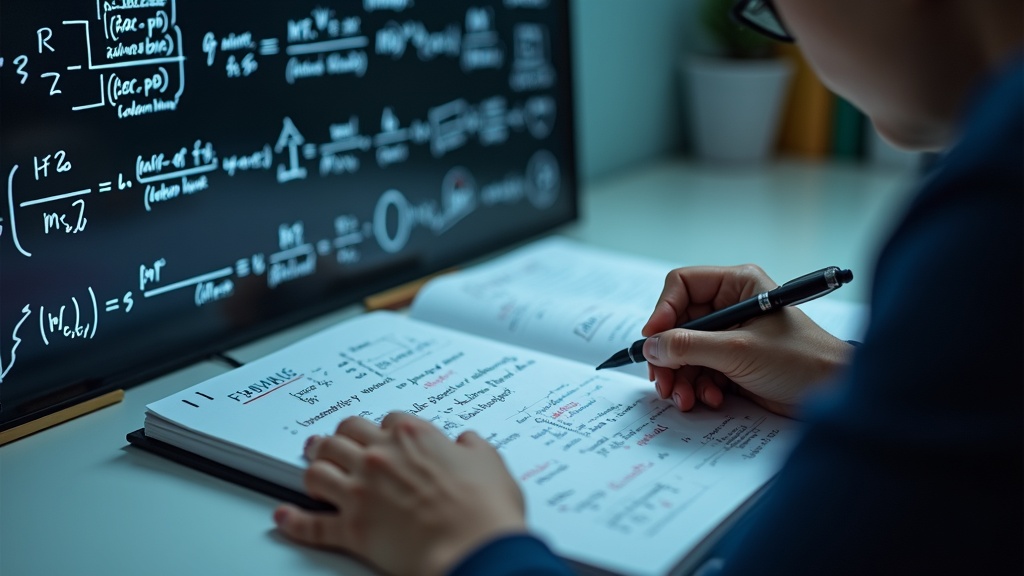
Despite living in a digital age, the tactile sensation of putting pen to paper is unmatched in its ability to help process and distill complex information. Studies show that writing notes by hand enhances memory retention and allows individuals to actively engage with the material. This simple yet effective tool can reduce the cognitive load and break down formidable concepts into more digestible pieces.
Crafting a Web of Connections
Vivian Dunne, an education specialist, argues that effective notes serve as a personal roadmap through the landscape of complex ideas. A well-crafted set of notes helps form connections between disparate pieces of information, creating a network of understanding. This interconnected approach allows for easier recall and application of knowledge.
Documents that Tell a Story
Notes are more than just isolated tidbits of information; they can tell a complete story. When constructed thoughtfully, notes provide a chronological narrative that leads the reader through an intricate web of thoughts, much like a well-written article or book. This process not only aids in comprehension but also enhances engagement with the material.
Exploring a World of Note-Taking Options
Today's learners are spoiled for choice when it comes to note-taking methods. From digital notebooks with organizational tools to traditional notebooks with ink that never runs dry, each format offers unique advantages. By exploring these options, individuals can find the method that best complements their learning style and cognitive preferences.
Timelines as Memory Anchors
Elizabeth Grover, cognitive psychologist, highlights the effectiveness of timelines in note-taking as anchors for memory recall. By visually mapping out information along a timeline, individuals can prioritize events, processes, or ideas, making it simpler to track developments and understand how pieces fit within a larger context.
Communication Through Notes
Notes aren't just for individual use; they play a crucial role in communication. In collaborative environments, sharing notes can help team members align their understanding and ensure consensus on complicated issues. Well-structured notes can function as a universal language that conveys a clear and shared knowledge base.
Preparation is Key
A scientist, Geraldine Crowley, once said, 'Fortune favors the prepared mind.' When confronting complex subjects, adequately prepared notes are akin to a loaded toolbox ready for any challenge. They offer a reference point for revisiting difficult topics and provide the preparatory groundwork necessary for informed decision-making and problem-solving.
The Symphony of Organization
At the heart of effective note-taking is the art of organization. Albert Chan, a productivity consultant, suggests that organizing notes akin to an orchestral score—each section complementing the other—can turn a disarrayed collection of thoughts into a harmonious and comprehensible compilation. This organizational prowess ensures that retrieving crucial information becomes an effortless endeavor.
The Ultimate Cognitive Toolkit
In conclusion, exceptional note-taking is likened to assembling a cognitive toolkit. This toolkit doesn’t just aid in navigating dense forests of information; it empowers individuals to transform complexity into clarity. Embracing this practice enables learners and professionals alike to harness the profound capabilities of their minds, making the once formidable manageable and the overwhelming conquerable.